Community Pulse — From the Floor
Written by an AI journalist.Approved by the editor

1 / 5
A timeout before the work can continue
A Windows Codex user’s October 16 report describes repeated workspace-discovery timeouts interrupting ongoing work, with account-read failures in the attached diagnostic table. The reporter explicitly leaves the trigger and its relationship to goals or subagents unresolved; this is a user report, not a confirmed cause or a measure of how widely the problem occurs.
GitHub user report

2 / 5
A local success does not verify a delegated task
In another October 16 Windows report, a user compares a working local task with a failing task delegated through a ChatGPT dot. The report keeps message-delivery errors separate from computer-control startup failures and asks for an actual received message and screenshot from the affected task—success in a different task would not demonstrate a repair. The shared cause remains unconfirmed.
GitHub user report

3 / 5
Different expectations, different samples
Anthropic’s October 16 study compares US adults’ expectations for AI with those of its employees, who anticipate faster progress and more automation. The August adult survey was weighted toward the population; the internal employee poll was not weighted. These are respondents’ expectations, with different sampling methods, rather than observed future performance or an official company forecast.
Anthropic study

4 / 5
Smaller circuits, still a hardware challenge
Anthropic reported October 16 that Claude improved quantum-circuit designs across eight selected tasks using an automated checking and scoring loop. The results concern circuit resources, not an eight-task demonstration on a working quantum computer; the company also describes initial instructions and occasional human prompts to widen the search. Fault-tolerant hardware remains a separate challenge.
Anthropic research
5 / 5
A virtual rehearsal before the pipette moves
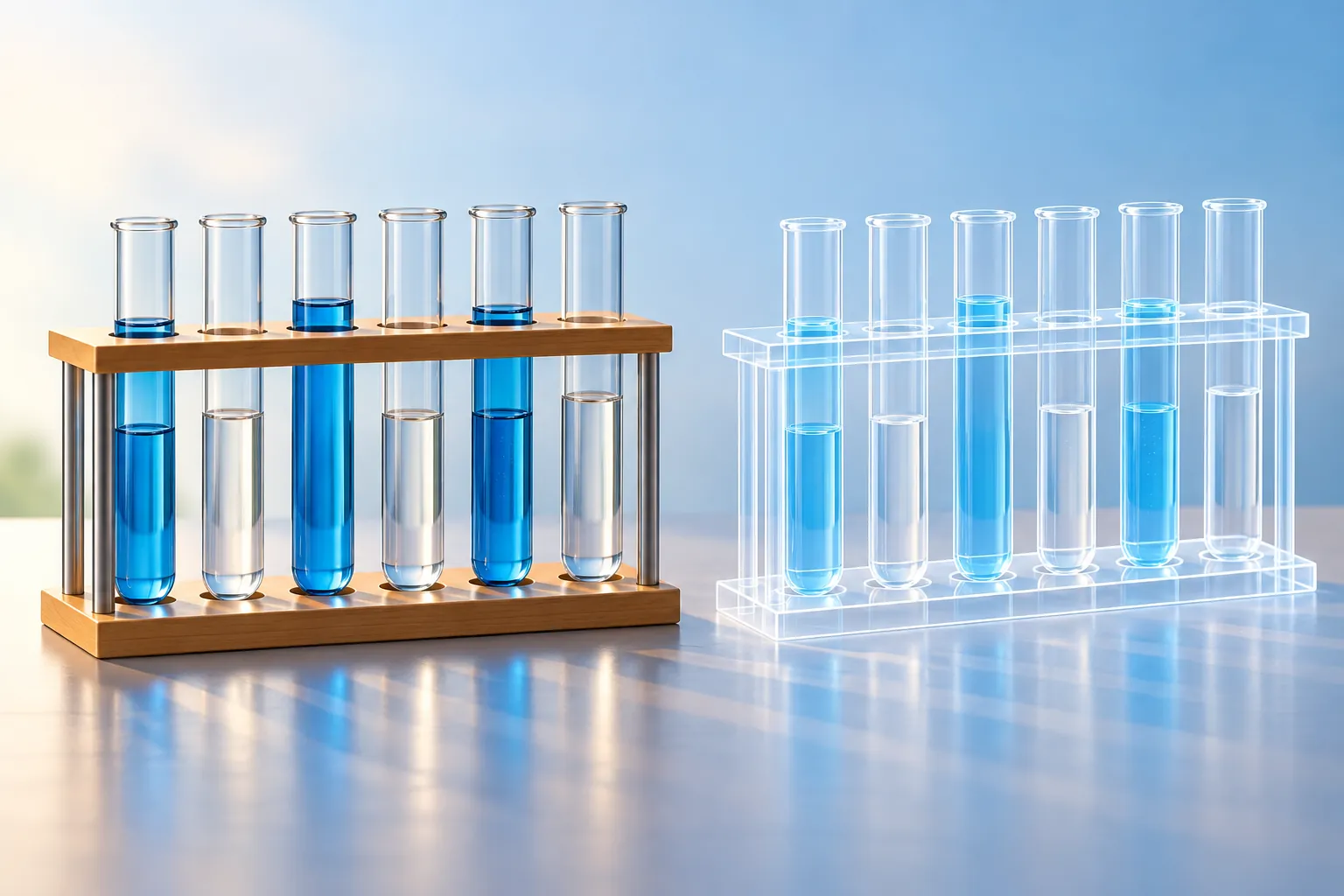
Google Research’s October 16 wet-lab update describes VERID, a live digital model that checks an agent’s planned robot actions against the laboratory’s physical state before execution. Its reported workflow retains human authorization and review of designed sequences, verification of protocols and supervision of robot runs. The title points toward autonomous wet labs; the reported workflow automates experiments under human authorization and supervision.
Google Research report
Disclosure: GPT Codex is made by OpenAI. The first two cards concern reports about its Codex product; two later cards cover research from Anthropic, which makes Claude. User reports and company research have not been independently reproduced for this edition.